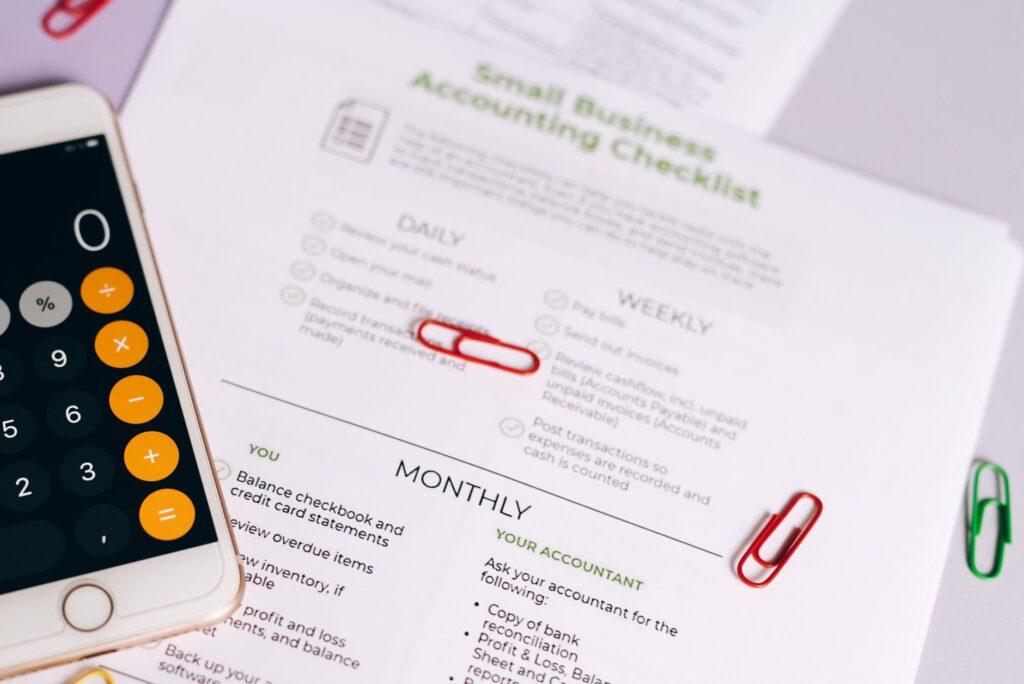
Website Development Cost for Startups in India (2026): Budget Ranges and Quote Checklist


Website Development Cost for Startups in India (2026): Budget Ranges and Quote Checklist
Updated August 2026
A realistic website development cost for startups in India is usually ₹60,000–₹3 lakh for a custom marketing website, ₹1.5–₹8 lakh for an e-commerce build, and ₹5–₹25 lakh or more for a web-based MVP. The right budget depends less on the word “website” and more on whether you need lead generation, online selling, or a real product with accounts, payments and workflows.
Start with the business outcome, then ask agencies to price the same written scope.
What does website development cost for startups in India by project type?
Use these as planning bands, not fixed rates. A 2026 India market guide places marketing websites at roughly ₹40,000–₹3 lakh, e-commerce builds at ₹1–₹20 lakh, and SaaS/custom web applications at ₹5–₹50 lakh; the wide spread reflects scope, integrations and product complexity rather than a single standard price. Web Accuracy’s 2026 cost guide is a useful external benchmark for those categories.
| Startup need | Typical first-release budget | Usually includes | Common exclusions to confirm |
|---|---|---|---|
| Landing page or validation site | ₹25,000–₹75,000 | One to five pages, responsive build, contact form, basic analytics | Brand strategy, copywriting, custom illustrations, ongoing SEO |
| Custom marketing website | ₹60,000–₹3 lakh | Design, CMS, 6–15 pages, lead forms, basic technical SEO | Long-form content, CRM automation, multilingual content |
| E-commerce store | ₹1.5–₹8 lakh | Catalogue, payment gateway, shipping setup, order flow, admin training | Product photography, ERP integration, marketplace sync, retention campaigns |
| Marketplace or SaaS MVP | ₹5–₹25 lakh+ | User roles, authentication, dashboard, core workflow, QA and deployment | Every future feature, complex permissions, native apps, 24/7 support |
A ₹40,000 brochure site and a ₹12 lakh SaaS dashboard should never be compared as competing “website” quotes. The second has product logic, data, testing and failure cases that a marketing site does not need.
Which factors make a startup website quote go up or down?
The strongest cost drivers are not cosmetic. They are decisions about scope and risk.
Number of unique templates and user journeys. Ten pages built from two repeatable layouts cost less than ten separately designed pages. Likewise, a simple contact form is cheaper than a multi-step eligibility flow with document uploads and email routing.
Design and content readiness. A team can move faster when the founder supplies approved copy, logo files, product screenshots and a page map. If the partner must research positioning, write conversion copy and design a visual system, that is valuable work—but it belongs in the quote.
Integrations and data. Payment gateways, CRM tools, appointment systems, WhatsApp automation, inventory feeds, maps and login providers each add build and testing time. Ask whether setup, API limits and failure handling are included.
Custom product logic. Role-based dashboards, subscriptions, matching engines, reporting, vendor panels and admin controls turn a site into a web application. For an MVP, prioritise the one workflow that proves demand; do not pay for every imagined feature before users exist.
Quality assurance and launch discipline. Google recommends an overall good page experience that includes mobile display, secure HTTPS delivery and good Core Web Vitals—not a narrow focus on one visual detail. Google’s page-experience guidance is a helpful launch checklist. Budget for device testing, redirects, backups, analytics and a rollback plan.
Should a startup choose WordPress, Shopify, Webflow or a custom stack?
Choose the platform after defining the job.
| Platform route | Best when | Budget effect | Watch-outs |
|---|---|---|---|
| WordPress | Content-led marketing, service businesses, editorial sites | Lower initial build when using proven components | Plugin quality, update ownership and performance need active management |
| Webflow | Design-led marketing sites with a small content team | Moderate build cost, quick visual iteration | Advanced workflow and database requirements can become restrictive |
| Shopify | Standard e-commerce with a clear catalogue | Faster route to payments and checkout | Theme customisation, apps and transaction-related costs must be mapped |
| Custom Next.js or similar | Performance-sensitive marketing or a distinctive experience | Higher design and engineering cost | Requires a clear maintenance owner and a justified technical reason |
| Custom web application | SaaS, marketplace or operational workflow | Highest discovery, build and QA effort | Scope creep is the largest budget risk |
Use an established platform for standard problems and reserve custom code for a feature that changes your operating model.
What recurring costs should founders add after the build?
The build quote is only the first-year starting point. Put these in a separate operating budget so a low upfront number does not hide future costs.
- Domain, hosting and email: often a small line item for a simple site, but higher for managed infrastructure, transactional email or growing traffic.
- Licences and SaaS tools: premium themes, form tools, CRM seats, analytics, security and automation can add recurring monthly or annual fees.
- Maintenance: updates, backups, monitoring and small fixes are especially important for CMS and e-commerce sites.
- Content and growth: product pages, case studies, landing pages, SEO work, paid campaigns and conversion testing are not automatically included in development.
- Support for a web app: bug fixes, cloud costs, security reviews and new releases need a defined response time and owner.
Ask for both a one-time implementation quote and a 12-month total-cost estimate. That makes two proposals easier to compare fairly.
How can a startup keep the first website within budget?
Start with a written “version one” brief. Include your target user, the action you want them to take, the pages or screens required, integrations, supplied assets, launch date and measurable success signal. Then separate “must launch” from “nice to have.”
For lead generation, version one might be a clear service page, proof points, CRM-routed form, analytics and a fast mobile experience. For commerce, focus first on product discovery, checkout, fulfilment rules and support information.
Use milestones for discovery, design, development, QA and launch. Keep a 10–15% contingency for approved changes; uncontrolled additions after design approval commonly make a “cheap” project expensive.
What should a startup compare before accepting a website development quote?
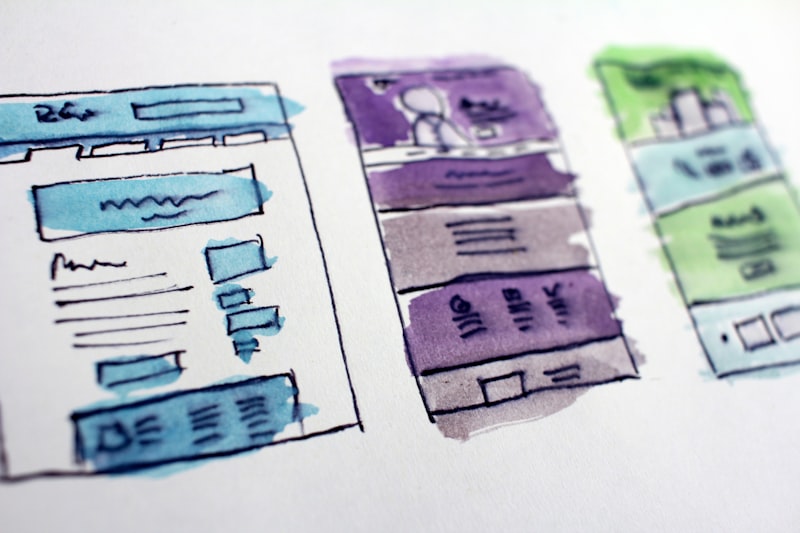
Compare scope, not just the final number. Use this checklist in every proposal:
- Is every page, template, screen and user role listed?
- Who provides copy, photography, product data and translations?
- Which integrations are included, and who pays their ongoing fees?
- Does the quote include mobile testing, browser testing, SSL, backups and analytics?
- Are performance, accessibility and basic SEO checks specified?
- Who owns the domain, code repository, design files and third-party accounts at handover?
- What is the change-request process and hourly or sprint rate after scope is approved?
- What warranty or post-launch support period is included?
A detailed ₹2 lakh proposal can be safer than a vague ₹1 lakh proposal if it includes the exact deliverables, quality checks and ownership terms you would otherwise pay for later.
FAQ: website development cost for startups in India
Can a startup build a website for under ₹50,000?
Yes, if the requirement is a small template-led landing page or basic brochure site and the startup supplies content and branding. It is less realistic for a custom marketing site, store with complex operations or product MVP. Confirm what is omitted before treating the number as a complete launch budget.
How long does a startup website take to build?
A focused landing site can take two to four weeks once content is ready. A custom marketing site often takes four to eight weeks. E-commerce and web-app timelines depend on catalogue quality, integrations, approvals and testing; a rushed launch usually shifts cost into bug fixing.
Is a freelancer or agency better for an early-stage startup?
A capable freelancer can be a good fit for a contained, well-defined site. An agency or small product studio can be safer when the project needs strategy, design, engineering, QA and project management across several specialists. Ask for relevant work and a delivery process either way.
Does website development include SEO?
Basic technical SEO should cover indexable pages, sensible headings, metadata, responsive pages and analytics setup. Ongoing keyword research, content production, link earning and conversion work are separate growth activities and should be quoted separately.
What is the best way to get an accurate estimate?
Share a short brief and request the same scope from two or three providers. Compare assumptions, inclusions, exclusions, ownership and support—not only price. This is the fastest way to see whether a quote is genuinely comparable.
Ready to turn a startup brief into a buildable scope? Compare website development professionals on MatchedNeeds, review the deliverables side by side, and choose the team that fits your stage rather than settling for the first quote.