Home Interior Design Tips on a Budget: Where to Spend and Save in 2026

Updated October 2026 — practical interior design guidance
If you want attractive interior design without stretching your finances, start by controlling scope rather than simply choosing the cheapest materials. A sensible budget usually prioritises storage, lighting, paint, and the kitchen, keeps structural changes limited, and reserves 10–15% for surprises. For an Indian apartment, an indicative cosmetic refresh may begin around ₹1–3 lakh, while a functional 2BHK interior scope can commonly plan around ₹4–8 lakh. These are planning ranges, not fixed quotes: city, area, materials, design complexity, appliances, and labour can change the final number significantly.
How do you set a realistic home interior design budget?

Begin with a room-by-room scope sheet. Write down what must be built, what can be bought ready-made, and what can wait. Separate the budget into four buckets: fixed furniture and storage, electrical and lighting, surfaces and finishes, and loose furniture or decor. Then add design fees, delivery, installation, taxes where applicable, and a contingency of 10–15%.
A useful first decision is whether you need a refresh, a functional renovation, or a full-scope redesign. A refresh may include paint, lights, curtains, rugs, and a few furniture pieces. A functional renovation may add a modular kitchen, wardrobes, TV unit, and study storage. Full-scope work may also include false ceilings, flooring, plumbing changes, civil work, premium finishes, and appliances. Do not compare a refresh quote with a full-scope quote as if they were competing offers.
Which upgrades give the biggest visual impact for the money?

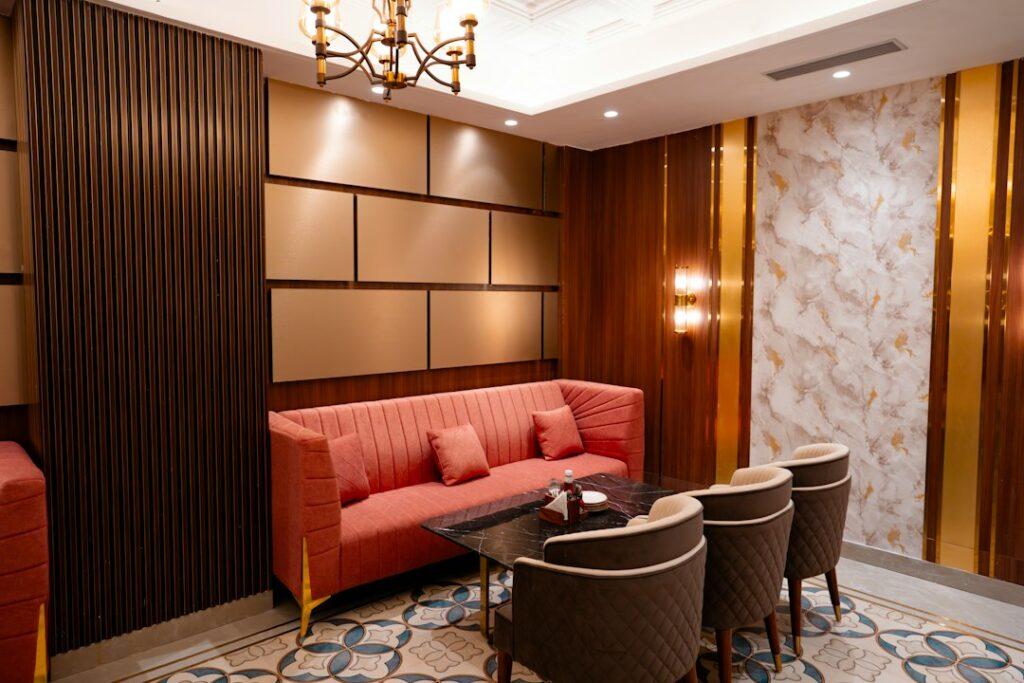
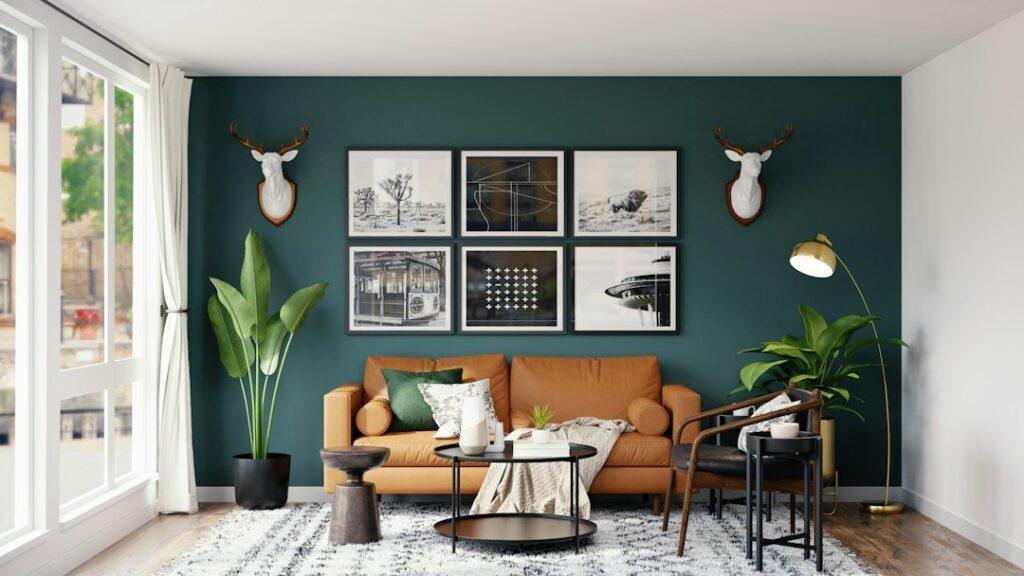
Paint is often the highest-impact low-cost change. Use one calm base colour through connected spaces and introduce contrast through one wall, upholstery, artwork, or a textured panel instead of applying an expensive finish everywhere. Good lighting makes an average room feel more considered: combine ambient ceiling lights with task lighting in the kitchen, bedside reading lights, and focused lighting near a work desk.
Hardware is another small detail with a large effect. Consistent handles, hinges, curtain rods, switch plates, and bathroom accessories can make a budget home feel cohesive. Spend on the touch points you use daily, but avoid paying a premium for decorative hardware that does not improve durability or function.
How can you save on modular furniture and storage?

Design storage around actual items, not an imagined lifestyle. Measure suitcases, appliances, files, shoes, cleaning supplies, and seasonal clothes before finalising cabinet sizes. Deep cabinets that are difficult to access waste money and floor area. A mix of drawers, adjustable shelves, hanging space, and open niches is usually more useful than uniform shutter storage.
Use modular units for areas where predictable dimensions and faster installation matter, such as kitchens and wardrobes. Custom carpentry can be useful for awkward niches, sloping walls, or a special home-office requirement, but it needs tighter supervision. Ask both vendors for the same drawings and specifications so you compare like with like.
For a budget kitchen, prioritise the work triangle, adequate drawers, durable internal hardware, easy-clean shutters, and enough task lighting. Decorative lofts, fluted panels, glass shutters, and imported accessories can be added later if the core layout works.
Which materials and finishes are worth paying more for?

Spend more where replacement is disruptive or failure causes damage. Kitchen carcasses, waterproofing in wet areas, plumbing fittings, drawer channels, hinges, and frequently used worktops deserve closer attention than a decorative wall panel. Ask for the exact board or substrate specification, thickness, edge treatment, finish type, warranty, and installation method. “Premium” by itself is not a technical specification.
For finishes, balance maintenance with appearance. Matte laminates can be forgiving in busy homes; glossy surfaces may show fingerprints and scratches more easily. In humid areas, ask how the selected board and edge sealing will perform. Sustainable choices can also reduce operating costs over time. The Indian Green Building Council’s guidance for green homes and interiors highlights themes such as energy efficiency, water conservation, material optimisation, waste management, and healthier indoor environments. See the IGBC Green Interiors guidance and IGBC Green Homes objectives before finalising materials.
What should you phase instead of doing all at once?

Phase work according to disruption and dependency. Complete electrical planning, plumbing changes, kitchen layout, and major carpentry before moving in. Paint, curtains, rugs, artwork, accent chairs, and some decor can wait. If your budget is tight, finish the living room, kitchen, primary bedroom, and one practical storage zone first. Leave guest-room styling or elaborate feature walls for a later phase.
A phased plan should still be designed as one whole home. Keep a finish schedule with paint codes, laminate names, tile batches, hardware models, and measurements. Otherwise a later phase may not match the earlier work, or the original material may be discontinued.
How do you compare interior designer quotes?

Ask for an itemised quote with quantities, specifications, brand or grade, labour, transport, installation, taxes, design charges, payment milestones, warranty, and exclusions. Clarify whether appliances, civil work, demolition, debris removal, electrical rewiring, curtains, loose furniture, and site protection are included. Many apparently cheap quotes become expensive when exclusions are added.
Request a simple timeline with design freeze, procurement, factory work, site installation, snagging, and handover dates. Payments should follow measurable milestones rather than large advances for undefined work. Before signing, confirm who approves substitutions and what happens if a product is unavailable.
A good comparison is not only about the lowest total. Check whether the design solves storage and circulation, whether the materials are clearly specified, whether the team has a site supervisor, and whether the warranty is written. Get at least three comparable quotes where possible.
What are the biggest budget mistakes to avoid?

The first mistake is changing the layout after production begins. Freeze drawings, electrical points, colours, and hardware before ordering. The second is spending the entire budget on visible finishes while ignoring lighting, ventilation, waterproofing, and installation quality. The third is choosing a designer from photographs alone without checking communication, process, timelines, and references.
Also avoid copying an online room without adapting it to your sunlight, storage needs, family routines, maintenance tolerance, and apartment rules. A beautiful open shelf may become cluttered in a busy home. A large island may reduce circulation. A dark finish may need more lighting and cleaning. Good design is fit, not just appearance.
Keep a written change-order process. Every change should show the revised item, cost difference, material impact, and schedule impact before work proceeds. This single habit prevents many end-of-project surprises.
A practical budget checklist before you hire
- Define the rooms and work included in this phase.
- Measure the home and list storage needs by category.
- Keep 10–15% aside as contingency.
- Separate fixed furniture, finishes, appliances, decor, and fees.
- Compare like-for-like specifications across at least three quotes.
- Confirm electrical, plumbing, waterproofing, ventilation, and site protection.
- Ask for a timeline, milestone payments, warranty, and exclusions.
- Freeze drawings and finishes before production.
- Record every approved change in writing.
- Plan maintenance, cleaning, and future replacement before selecting finishes.
FAQs
Can I do home interiors in phases?
Yes. Finish essential storage, kitchen function, lighting, and the main bedroom first. Decor and lower-priority rooms can follow, provided the overall electrical and finish plan is decided early.
Is modular furniture cheaper than custom carpentry?
Not always. Modular work can offer predictable manufacturing and faster installation, while custom carpentry may suit unusual spaces. Compare the same materials, hardware, finish, transport, installation, and warranty before deciding.
How much contingency should I keep for interiors?
Keep about 10–15% of the planned spend for measurement changes, concealed repairs, transport variation, replacement materials, and approved additions. Older homes or projects involving civil work may need more.
Should I hire an interior designer for a small home?
A designer can still help if the project has difficult storage, multiple vendors, tight timelines, or electrical and plumbing changes. For a simple refresh, a paid consultation and a clear shopping list may be enough.
Are energy-efficient choices useful in a budget interior?
They can be. Efficient lighting, daylight planning, ventilation, shading, and suitable appliances may reduce running costs. The Bureau of Energy Efficiency’s guidance on comfortable and sustainable homes is a useful reference: BEE Eco Niwas information.
A budget interior should make daily life easier, not merely look finished on handover day. If you want help comparing scope, materials, timelines, and professional quotes, use verified interior designers to compare verified interior designers and choose a plan that fits your home and budget instead of settling for the first quote.