Interior Designer Cost in Delhi for 2BHK: 2026 Fees and Budget Guide

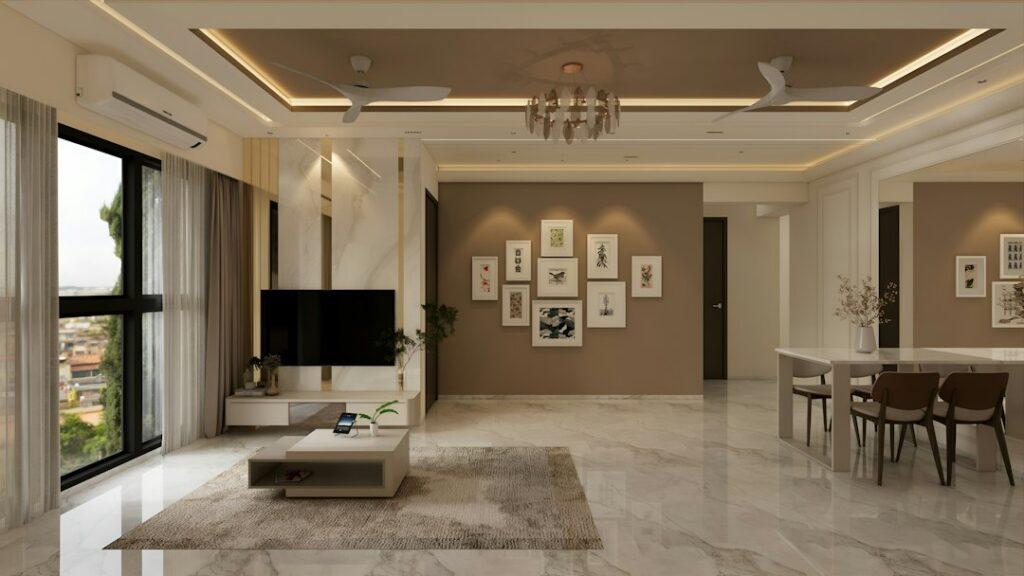
Interior designer cost in Delhi for 2BHK homes varies mainly by service scope. Design-only support may cost roughly ₹25,000–₹1 lakh or more, while a complete design-and-execution project for a typical 2BHK can fall around ₹6–18 lakh depending on size, materials, civil work, modular furniture and finishes. The designer’s fee is only one part of the budget, so compare the full scope rather than choosing the lowest consultation price.
Updated October 2026
What does an interior designer do for a Delhi 2BHK?

A professional may handle space planning, furniture layouts, electrical and lighting drawings, material selection, 3D views, vendor coordination, site supervision, installation and snag correction. Not every designer provides all of these services. Some offer a design package and hand over drawings; others manage a turnkey project from measurement to final cleaning.
The right brief begins with how your home will be used. A family in Noida may need a study corner and child-safe storage, while a Gurgaon apartment may prioritise a compact utility zone and home office. An older Delhi flat may need wiring, plumbing or wall repairs before decorative work starts. List these requirements before requesting quotes so each professional prices the same job.
What is the interior designer cost in Delhi for 2BHK projects?
The following ranges are practical planning bands, not fixed market tariffs.
| Service level | Broad planning range | Usually includes |
|---|---|---|
| Consultation or concept | ₹10,000–₹35,000 | Site discussion, ideas and limited direction |
| Design-only package | ₹25,000–₹1 lakh+ | Layouts, selections, drawings and revisions |
| Design plus supervision | ₹75,000–₹2.5 lakh+ | Design, vendor coordination and site visits |
| Turnkey 2BHK interior | ₹6–18 lakh+ | Design, materials, execution and installation |
Some designers charge a fixed fee, some charge a percentage of execution cost, and some earn through bundled product and contractor margins. Ask which model applies. A percentage fee can be useful for a complex project, but you should still receive a transparent bill of quantities. A low design fee may be offset by higher execution margins, while an expensive package may include stronger supervision and warranty support.
Which items make a 2BHK budget increase?

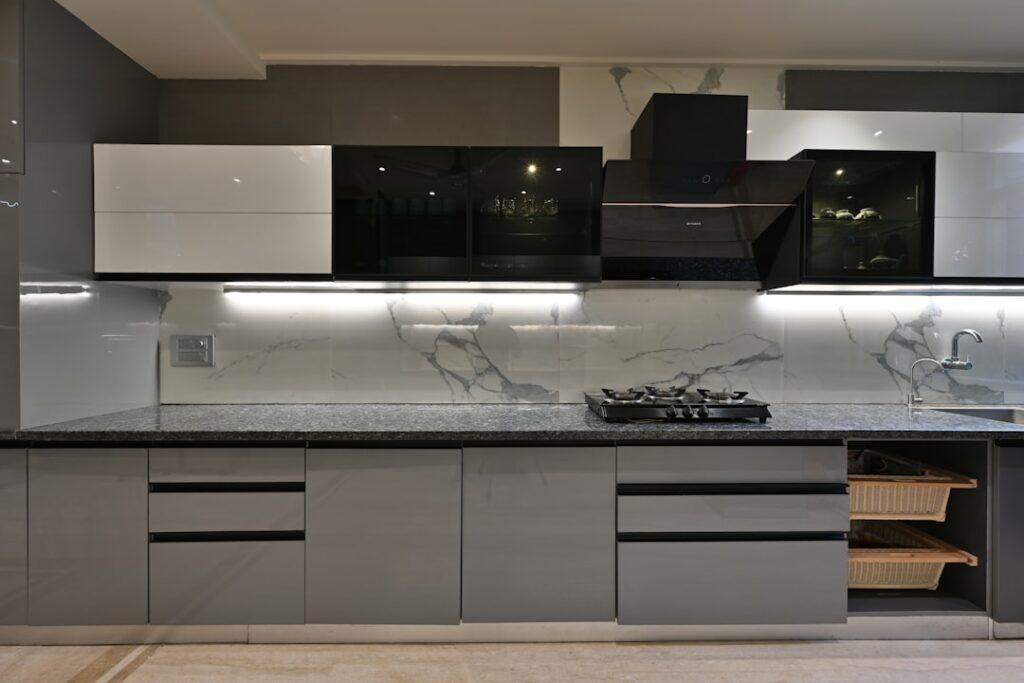
Carpentry is usually one of the largest components: kitchen, wardrobes, TV unit, shoe storage, study desk and utility cabinets. Shutter finish, board specification, hardware and internal accessories can change the total substantially. Civil work is another variable. Demolition, wall levelling, waterproofing, false ceiling, flooring changes, electrical relocation and plumbing can turn a simple furnishing project into a renovation.
Appliances and loose furniture are often excluded. Confirm whether the quote includes lights, fans, curtains, mattresses, dining chairs, air-conditioner points and kitchen appliances. Taxes, transport, lift charges, society deposits, debris removal and post-installation cleaning should also be visible.
Keep a contingency of about 10–15% for genuine site discoveries and approved changes. Do not accept an unlimited miscellaneous line; every variation should show the item, quantity, rate and approval.
Should you choose design-only or turnkey service?

Design-only works well if you already have reliable contractors, time to supervise work and confidence checking materials. It usually gives you more control over purchases, but responsibility for delays, defects and coordination remains with you.
Turnkey service is convenient when you want one accountable team. It can reduce coordination effort, but the contract must define brands or equivalent specifications, milestones, payment stages, warranty and exclusions. Ask who supervises daily work and who resolves a defect if a vendor and designer blame each other.
A hybrid model can be practical: pay for a complete design and use a designer’s recommended contractors, while buying selected appliances or loose furniture yourself. Put the division of responsibility in writing.
How should materials be specified?

Avoid vague phrases such as “premium plywood” or “best hardware.” Ask for the board type in each area, shutter finish, thickness, edge treatment, laminate or veneer code, hardware series, countertop material and paint system. The same home can use different specifications for dry storage, kitchen cabinets, bathroom-adjacent units and utility areas.
Delhi NCR homes face dust, strong summer heat and seasonal humidity. Sealed edges, cleanable finishes, adequate ventilation and service access matter. If a wall has seepage, repair the cause before installing cabinetry. Do not block electrical panels, plumbing valves, exhaust paths or required clearances simply to make a wall look continuous. The BIS National Building Code proposal is a useful reference for broader building and service-safety guidance.
What does a good design package include?

At minimum, request a measured floor plan, furniture layout, reflected ceiling or lighting plan, electrical points, kitchen services, elevations for major cabinetry, material schedule and a revision policy. If 3D views are included, clarify how many rooms and revisions are covered. A render is not a construction drawing; the site team needs dimensions and details.
Ask whether site measurements are verified before production. A few millimetres can matter when a wardrobe meets a wall, window or beam. Confirm who approves samples and what happens if the selected laminate or hardware becomes unavailable.
How long does a Delhi 2BHK interior take?
A design-only project may take 2–6 weeks depending on revisions. A straightforward design-and-execution project may take about 10–18 weeks after final approval, while civil changes, custom paint, imported materials or society restrictions can extend the schedule.
Break the programme into design approval, procurement, civil work, carpentry, installation, testing and snag correction. Do not count the project as complete when the last cabinet is installed; check doors, drawers, lights, plumbing, paint, sealants and clean-up before final payment.
What should you ask before hiring a designer?

Ask for two or three comparable completed projects, references, the names of the execution team, expected site-visit frequency and warranty terms. Confirm the payment schedule and whether the designer can provide a written change-order process. Ask how delays are handled and whether the designer’s margin on materials is disclosed.
For apartments in Delhi, Gurgaon, Noida or Ghaziabad, ask who obtains society permissions, protects lifts and common areas, manages working hours and removes debris. These operational details can affect the timeline and cost as much as the drawing itself.
How can you compare three quotes fairly?

Give every designer the same brief: carpet area, room list, storage expectations, preferred finish level, appliances, timeline and budget ceiling. Then create a comparison with these columns: service fee, carpentry, civil work, electrical, lighting, loose furniture, appliances, taxes, transport, warranty and exclusions.
Compare quantities, not just totals. One quote may include a full-height wardrobe and another may price only base cabinets. One may include branded channels and another may use an unspecified equivalent. A clear, slightly higher quote is often safer than a low quote that leaves major work open-ended.
What mistakes inflate the final bill?
The first mistake is starting execution before the layout and service drawings are approved. The second is changing finishes after production begins. The third is assuming a package includes appliances, curtains, lights or civil repairs without checking. Another common error is paying most of the money upfront, leaving little leverage for snag correction.
Avoid overbuilding every wall with storage. Keep access to windows, balconies, electrical points and plumbing. Do not choose an expensive finish for every room when a durable laminate can deliver the required function. Most importantly, document every approved change and keep the latest drawing set at the site.
Frequently asked questions
What is the average interior designer cost in Delhi for 2BHK homes?
Design-only fees may be about ₹25,000–₹1 lakh+, while complete 2BHK design-and-execution budgets often fall around ₹6–18 lakh depending on scope and finish level.
Is a designer fee separate from the interior work cost?
Sometimes. Some professionals charge a separate design or supervision fee; others bundle it into a turnkey price or vendor margins. Ask for the fee model in writing.
Can I hire a designer only for drawings?
Yes. Design-only service can work if you already have a reliable contractor and can supervise purchases, quality and coordination.
How much contingency should I keep?
A planning allowance of about 10–15% is sensible for site discoveries and approved changes, but it should not replace an itemised scope.
How do I find a reliable interior designer in Delhi NCR?
Compare verified professionals on the same brief, review their drawings and scope, check references, and confirm materials, payment stages, timeline and warranty before hiring.
To turn your brief into comparable proposals, use MatchedNeeds to compare verified interior designers for your Delhi NCR 2BHK. Share your requirements, review 3–5 quotes and choose the clearest scope—not automatically the cheapest headline price.